
There is another way we can gauge sympathetic nervous system activity that does not involve any fancy electrodes or heart monitors. We can just ask folks about their symptoms! In fibromyalgia the sympathetic branch of the autonomic nervous system is hyperactive. This negatively impacts many bodily functions including blood pressure, digestion, urination, and temperature regulation.
The evaluation of ANS function in clinical practice can be challenging. Traditional assessments such as heart rate variability (HRV) have identified altered autonomic profiles in fibromyalgia, characterized by diminished parasympathetic activity and heightened sympathetic activity. However, HRV measurements can be influenced by many factors such as physical activity, breathing patterns, and medication use.
 Ginevra Liptan, MD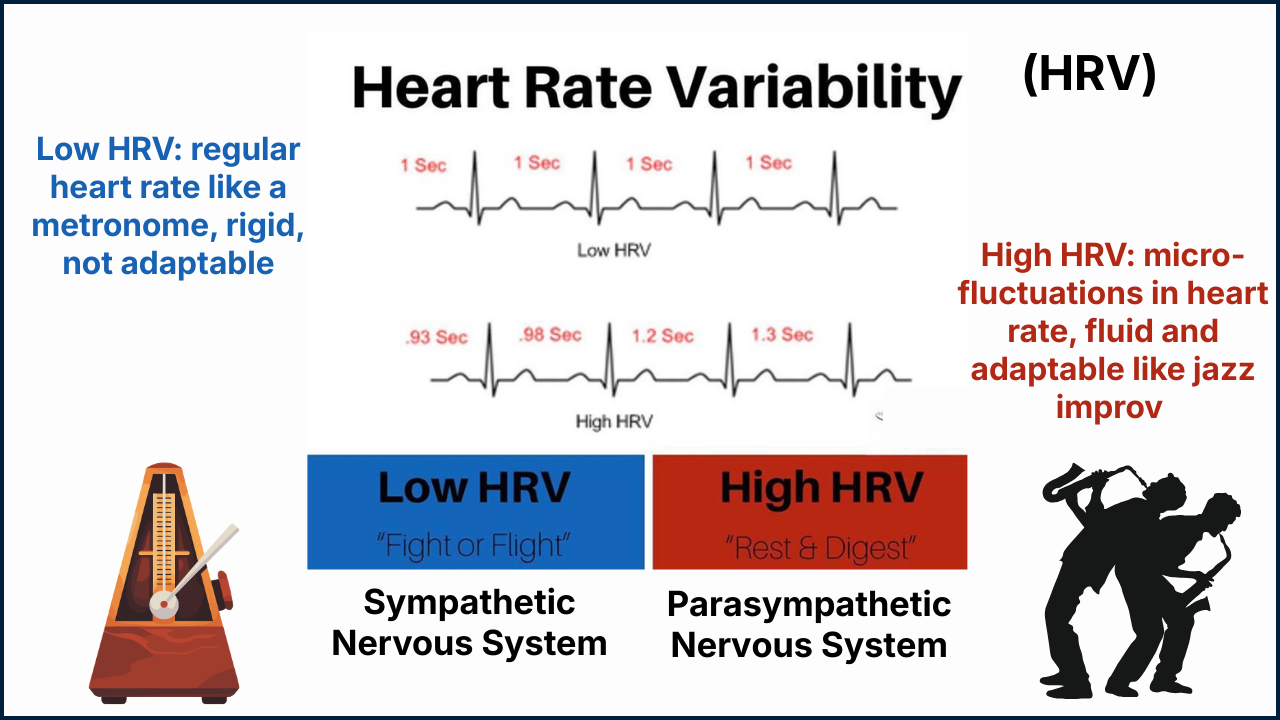
As an alternative, researchers at the Mayo Clinic developed a questionnaire that is a standardized way to assess the level of autonomic dysfunction based on symptoms. It is called The Composite Autonomic Symptom Score or COMPASS-31. Several studies have shown that women with fibromyalgia scored much higher on the COMPASS-31 questionnaire compared to healthy controls.
This survey is particularly useful to evaluate fibromyalgia symptoms that are not pain-related like gastrointestinal, bladder and blood pressure problems.


COMPASS-31 is a 31-item, self administered questionnaire designed to evaluate symptoms of autonomic dysfunction across six weighted domains.
- orthostatic intolerance: evaluates dizziness, lightheadedness, and fainting episodes upon standing
- vasomotor dysfunction: assesses temperature regulation and abnormal sweating
- secretomotor dysfunction: measures issues related to dry eyes, dry mouth, and sweat secretion
- gastrointestinal dysfunction: captures symptoms like bloating, nausea, constipation, diarrhea, and satiety
- bladder dysfunction: evaluates urinary urgency, frequency, and incontinence
- pupillomotor dysfunction: examines visual disturbances, including difficulty adjusting to light and focusing.
Responses are weighted based on symptom frequency, severity, and impact. The total score ranges from 0 to 100 with higher scores indicating more severe autonomic dysfunction.
And the survey says...
A 2025 study compared the autonomic survey results from 77 women with fibromyalgia to 77 matched healthy controls. Autonomic dysfunction was observed in 64.9% of fibromyalgia patients and 3.5% of healthy controls. Across all domains of the COMPASS-31 the fibromyalgia patients consistently reported higher symptom burdens. Orthostatic intolerance (symptoms when standing up) was one of the most pronounced areas of dysfunction, with scores that were substantially elevated compared to controls.
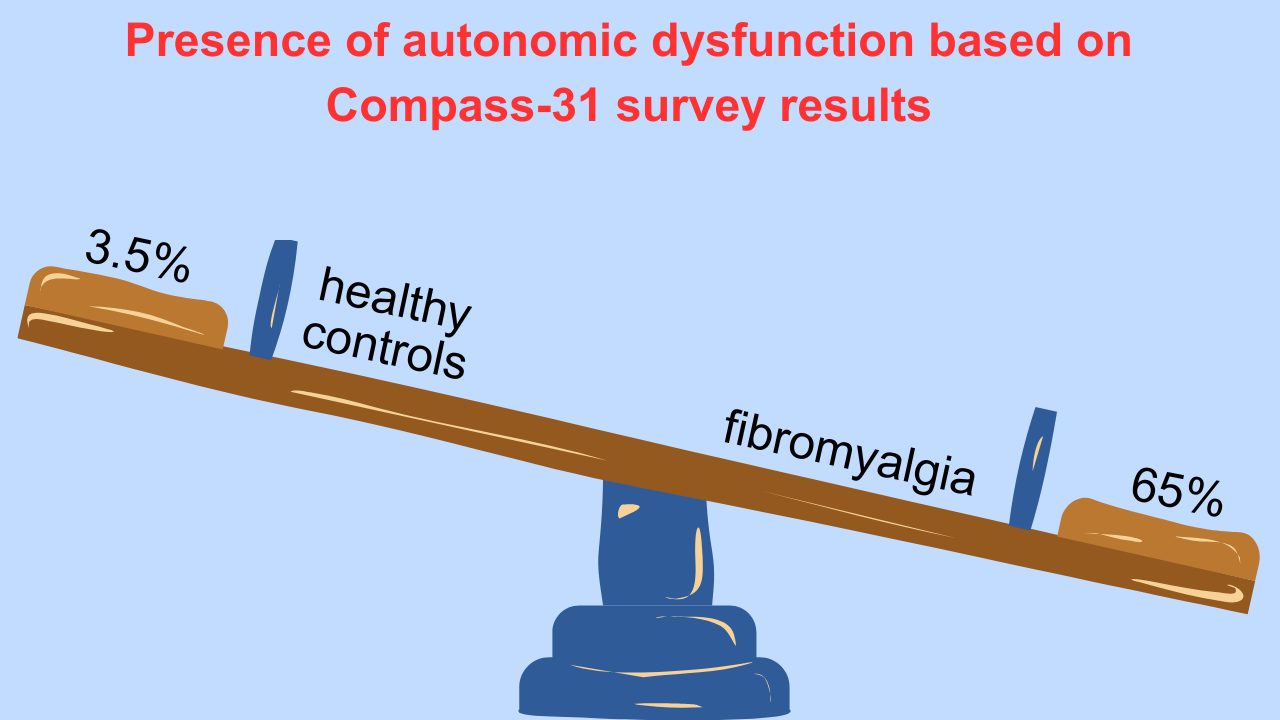
The COMPASS-31 scores were further analyzed in relation to disease severity measures, revealing significant correlations with the Fibromyalgia Impact Questionnaire- Revised (FIQR). This means that those fibromyalgia subjects who described more problems with their autonomic nervous system also had more severe fibromyalgia symptoms and disability. Two other studies have echoed these results and also reported higher autonomic dysfunction in fibromyalgia based on COMPASS-31 scores.
Connecting the dots
References and their primary conclusions
 F. Salaffi
Autonomic dysfunction was observed in 64.9% of FM patients and 3.5% of healthy controls. FM patients exhibited significantly higher COMPASS-31 scores compared to controls.
 Basant K Puri
This study confirms that non-pain autonomic dysfunction symptoms occur in fibromyalgia and can be assessed with the COMPASS-31.
 Gabriela Ioachim
Women with fibromyalgia scored higher on the COMPASS-31 questionnaire which measures symptoms of autonomic system dysfunction.