
One of the most important ways we know that the fibromyalgia stress response system is broken is from abnormal heart rate variability (HRV) studies. At least 14 different studies and two systematic review articles have found low HRV in FM, reflecting excessive sympathetic activity.
Heart rate variability alterations suggestive of sympathetic dysfunction are perhaps the most consistent alteration described so far in fibromyalgia. Martinez-Lavin 2011
Heart rate variability refers to the natural beat-to-beat changes in your heart rate and reflects the balance between the sympathetic and parasympathetic nervous system. Rather than being perfectly regular, a healthy heart displays variability that reflects dynamic balance as the heart rate responds to multiple different bodily inputs like breath, movement and changes in blood pressure.
When the heart rate shows normal beat to beat microfluctuations we know the body is fluidly able to move from the parasympathetic (rest-and-digest) mode to sympathetic (fight-or-flight) mode as it responds dynamically to constantly shifting body signals. Think of it like a jam session with a few jazz players, each adapting to each other's output in a flexible and slightly chaotic way. This is called high HRV and shows healthy balance between the sympathetic nervous system (SNS) and the parasympathetic nervous system (PNS). A lower HRV shows that balance is skewed to the SNS being in charge. The entire system has lost its fluidity and adaptability.
A heart rate that has little variability and instead is regular and rigid like a metronome is responding to only one overriding and powerful message: to fight or flee. The ANS is out of balance and has lost the give and take between the PNS and SNS, and instead is stuck in the sympathetic mode. This is great in the short-term when quick life-saving responses are needed, but bad when it is constant, which is exactly what we see in fibromyalgia. A 24-7 SNS response triggers the chain reaction of fibromyalgia: tense muscles, light sleep, inflammation.
 Ginevra Liptan, MD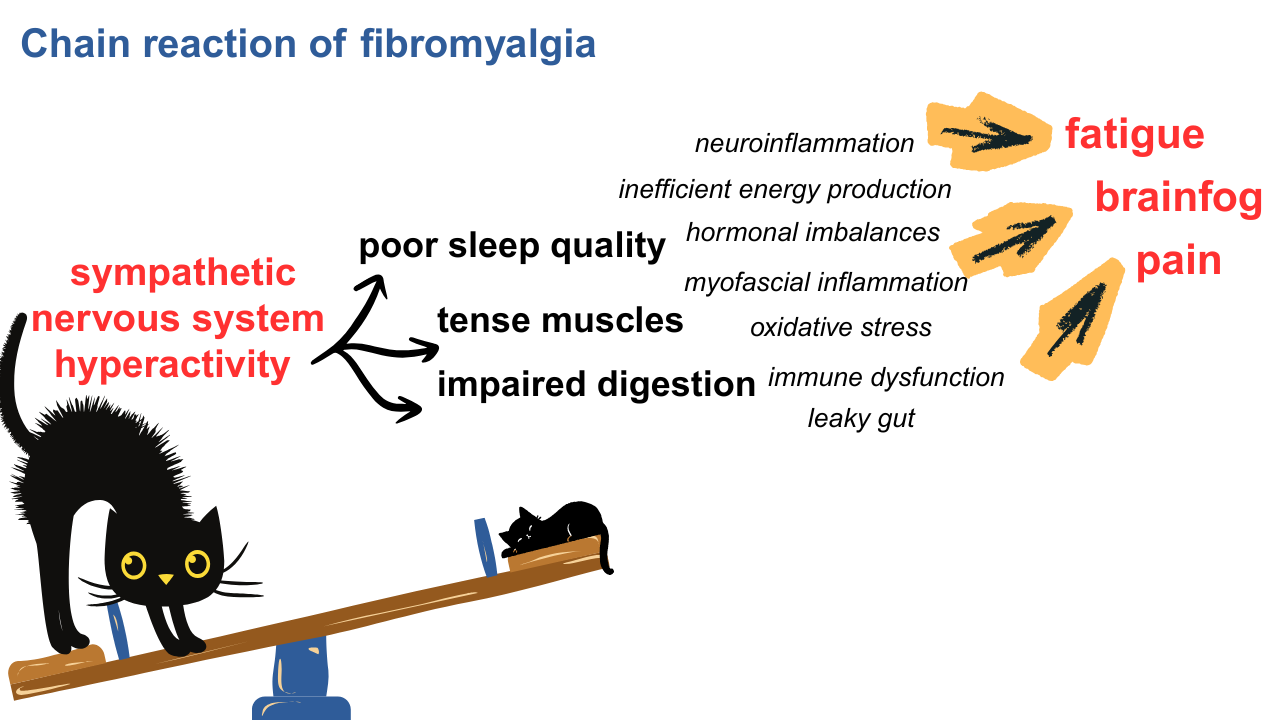
Measuring HRV can be done in several ways:
Short-term ECG or wearable sensor measurement: Typically a 5–10 minute recording, often at rest.
24-hour Holter monitor: Provides a more complete picture of day–night autonomic balance.
Consumer wearable devices: Usually wrist bands or arm bands. Not as scientifically accurate, they give ongoing data about HRV and are easier to use.
Heart rate patterns are recorded and then mathematically analyzed in one of two ways. HRV is measured by ECG monitoring of the heart rate, and then calculating the variability between beats.
- Time domain: most straightforward method, this shows how a signal changes over time. You can think of the time domain as the "what happens when" .
- Frequency domain: more complicated to understand, refers to how often a certain pattern of variation repeats over a given period. You can think of frequency domain as the "what frequencies are present".
Heart rate variability in fibromyalgia
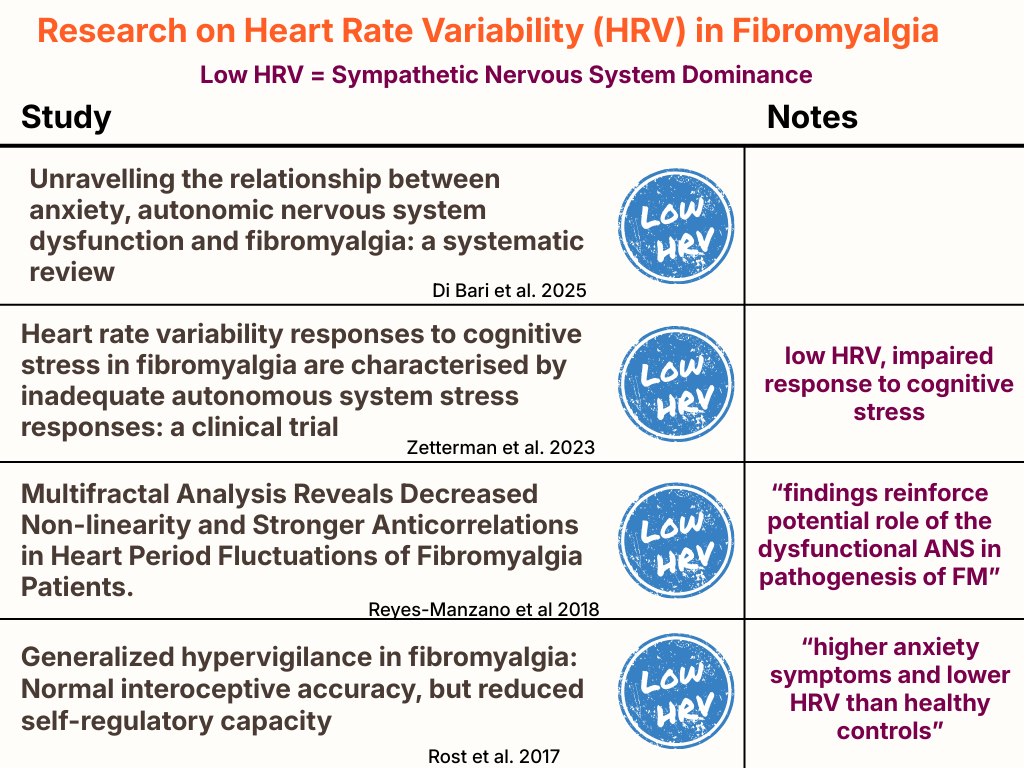
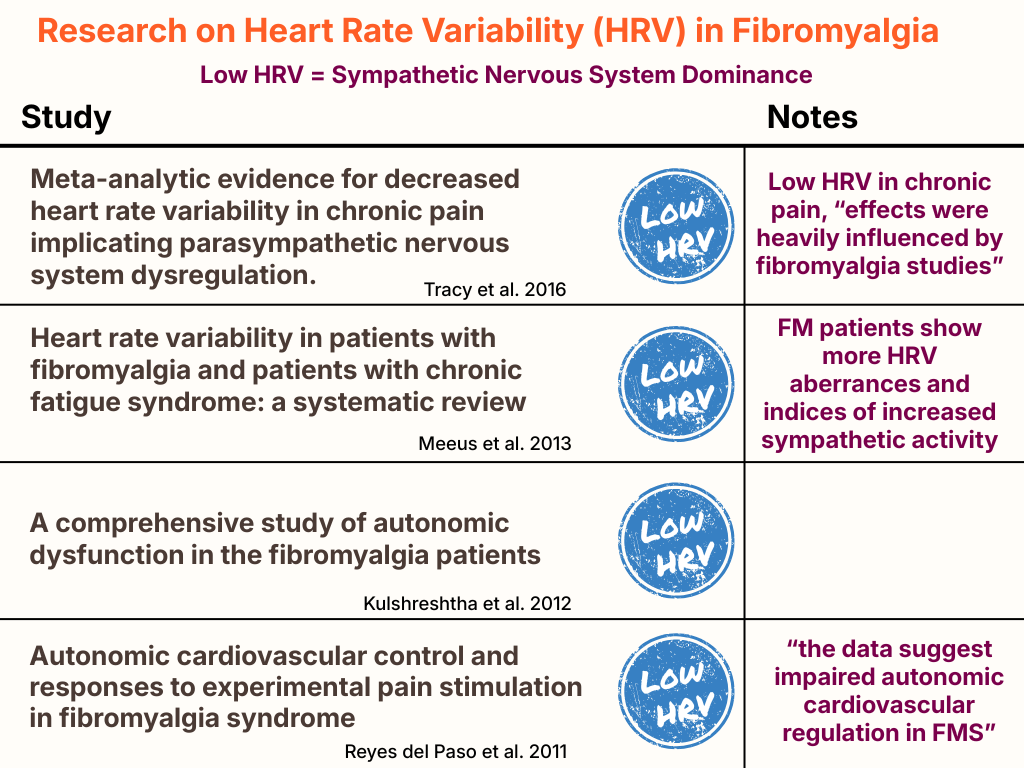
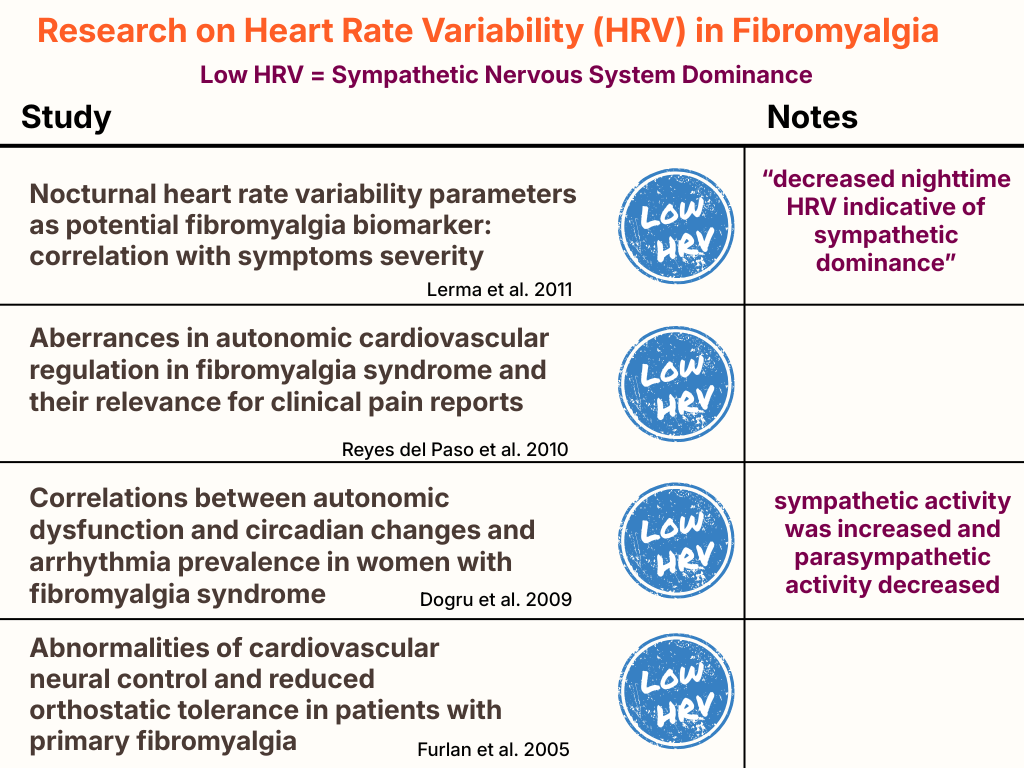
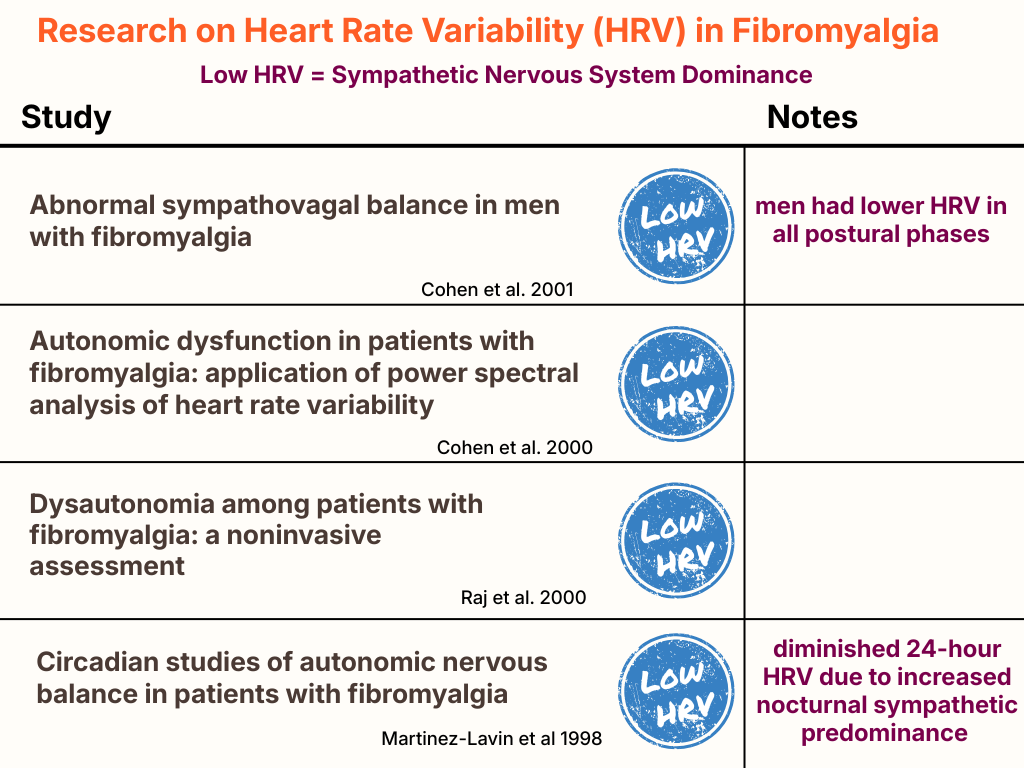
The individual studies assessing HRV in fibromyalgia are described visually in the tables below, and demonstrate there is definitely strong data supporting low HRV in fibromyalgia. You can see that all of these studies found the same thing: low HRV, meaning high SNS activity, in fibromyalgia. If you want to dive even deeper into the science, scroll down to links to references along with their primary conclusion.
Connecting the Dots
HRV studies consistently show sympathetic nervous system dominance in fibromyalgia. There are other ways to measure SNS activity that are also abnormal in fibromyalgia.
 Ginevra Liptan, MD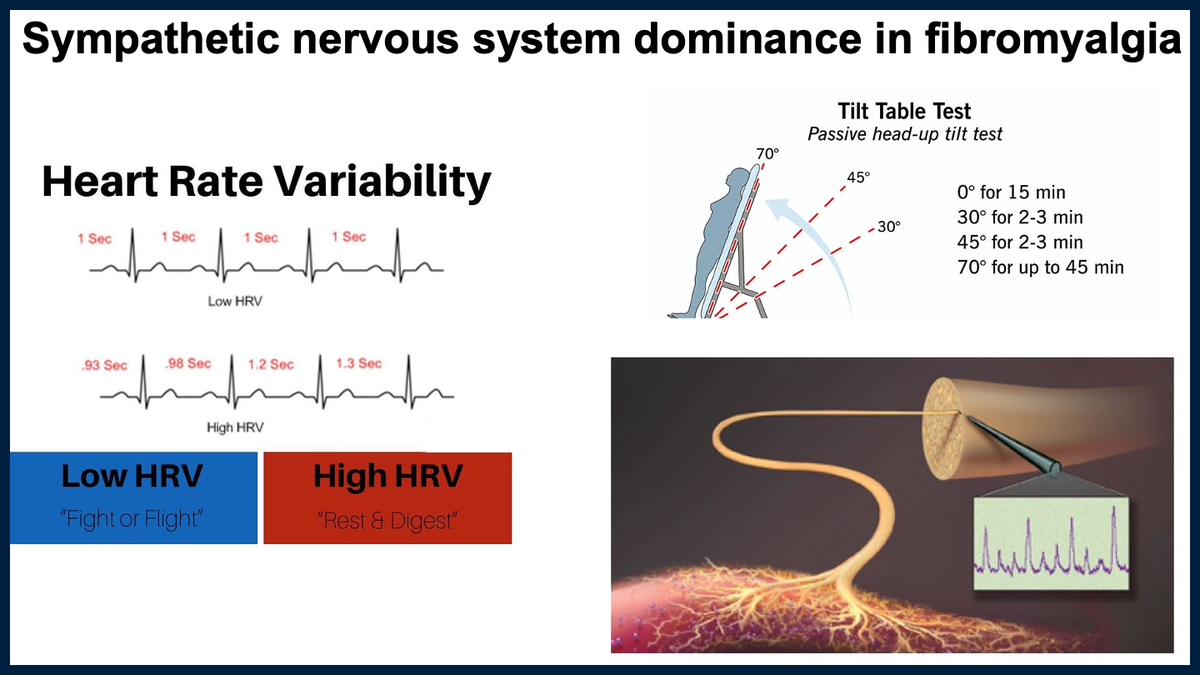
No matter how you measure it the SNS is hyperactive in fibromyalgia , which is why I think it plays such a huge role in the genesis of symptoms.
References and their primary conclusions
 A. Di Bari
The results suggest that the association between reduced HRV and elevated anxiety symptoms in FM patients at rest is widely supported ... and suggest the presence of a possible common underlying mechanism contributing to the high comorbidity of autonomic nervous system dysregulation and elevated anxiety symptoms in FM.
 Mira Meeus
FM patients show more HRV aberrances and indices of increased sympathetic activity.
 Teemu Zetterman
Our results show that FM patients have lower HRV than healthy controls and their autonomous reactions to cognitive stress are attenuated.
 Lincoln M Tracy
High heterogeneity aside, pooled results from the meta-analyses reflected a consistent, moderate-to-large effect of decreased high-frequency HRV in chronic pain, implicating a decrease in parasympathetic activation. These effects were heavily influenced by fibromyalgia studies.
 Cesar F. Reyes-Manzano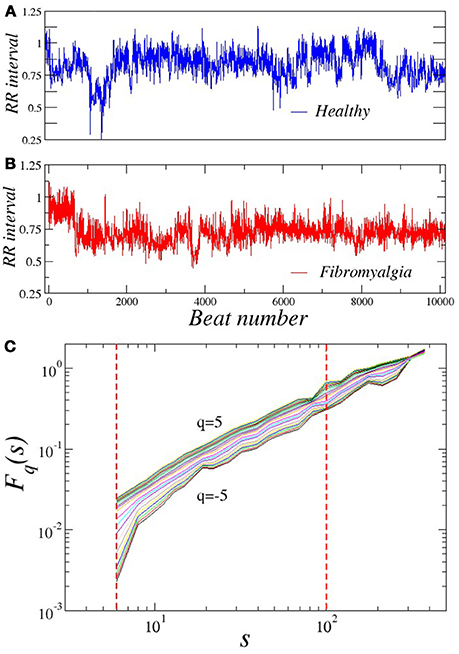
When compared to healthy controls, fibromyalgia patients display decreased nonlinearity and stronger anticorrelations in heart period fluctuations. These findings reinforce the hypothesis of the potential role of the dysfunctional autonomic nervous system in the pathogenesis of fibromyalgia.
 Silke Rost
FM patients reported higher body vigilance than healthy controls. FM patients had lower HRV compared with healthy controls.
 View author profile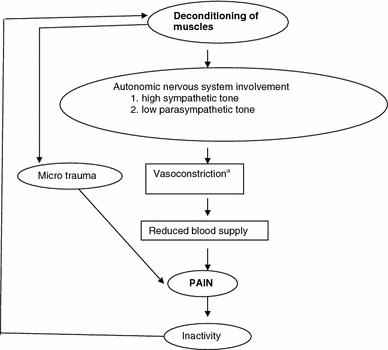
HRV were significantly lower in the patients than the controls.
 Claudia Lerma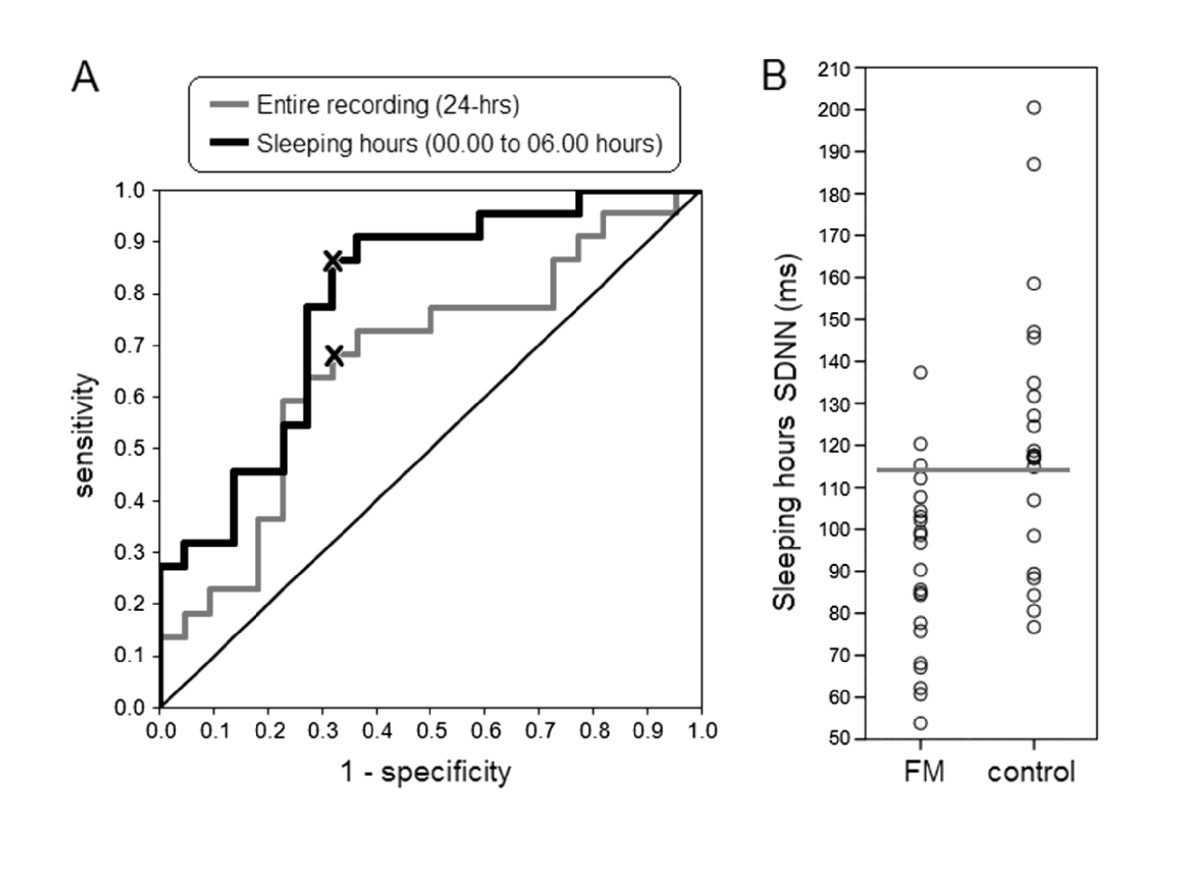
Nocturnal HRV indices indicative of sympathetic predominance are significantly different in FM women when compared to healthy individuals. In FM patients, these HRV parameters correlated with several symptoms including pain severity. Nocturnal HRV analyses are potential FM biomarkers.
 Gustavo A Reyes del Paso
The data suggest impaired autonomic cardiovascular regulation in FMS as well as blunted sympathetic reactivity to acute stress.
 Gustavo A Reyes Del Paso
The data suggest that autonomic cardiovascular regulation in FMS is impaired in terms of reduced sympathetic and parasympathetic influences, as well as baroreflex malfunctioning. Furthermore, autonomic cardiovascular adjustment to acute stress is blunted.
 Mehmet Tolga Doğru
In HRV measurements, high frequency (HF) power, was significantly decreased in the patient group as compared with control group. The sympathetic activity was significantly increased and parasympathetic activity significantly decreased in FM patients.
 Index by Author
At rest, patients showed higher values of heart rate and LFRR. [Editor's note LFRR stands for "Low-Frequency R-R interval variability," and reflects low HRV] Patients with FM have an overall enhancement of cardiovascular sympathetic activity while recumbent.
 Index by Author
Power spectral analysis (PSA) of heart rate variability (HRV) revealed that men with FM at rest are characterized by sympathetic hyperactivity and concomitantly reduced parasympathetic activity.
 S R Raj
FM patients had less HRV, as measured by either time domain or frequency domain analysis. Patients with FM have abnormal responses to 2 tests of autonomic nervous system function. Further research is needed to determine if dysautonomia plays a role in the pathogenesis of FM or is a result of FM.
 H Cohen
FM patients had significantly lower HRV compared with controls.The basal autonomic state of patients with FM is characterized by increased sympathetic and decreased parasympathetic tones.
 M Martínez-Lavín
Individuals with fibromyalgia have diminished 24-hour heart rate variability due to an increased nocturnal predominance of the low-frequency band oscillations consistent with an exaggerated sympathetic modulation of the sinus node. This abnormal chronobiology could explain the sleep disturbances and fatigue that occur in this syndrome.